Intent and Scope
Issue or ticket context is normalized into intent records and ownership boundaries.
Integrations
Jenkins can remain in your delivery stack while AgentSync Hub provides governed state transitions. This integration pattern prioritizes legacy ci control without sacrificing autonomy speed.
Implementation Blueprint for teams implementing governed autonomous delivery in production environments.
Reference Visual
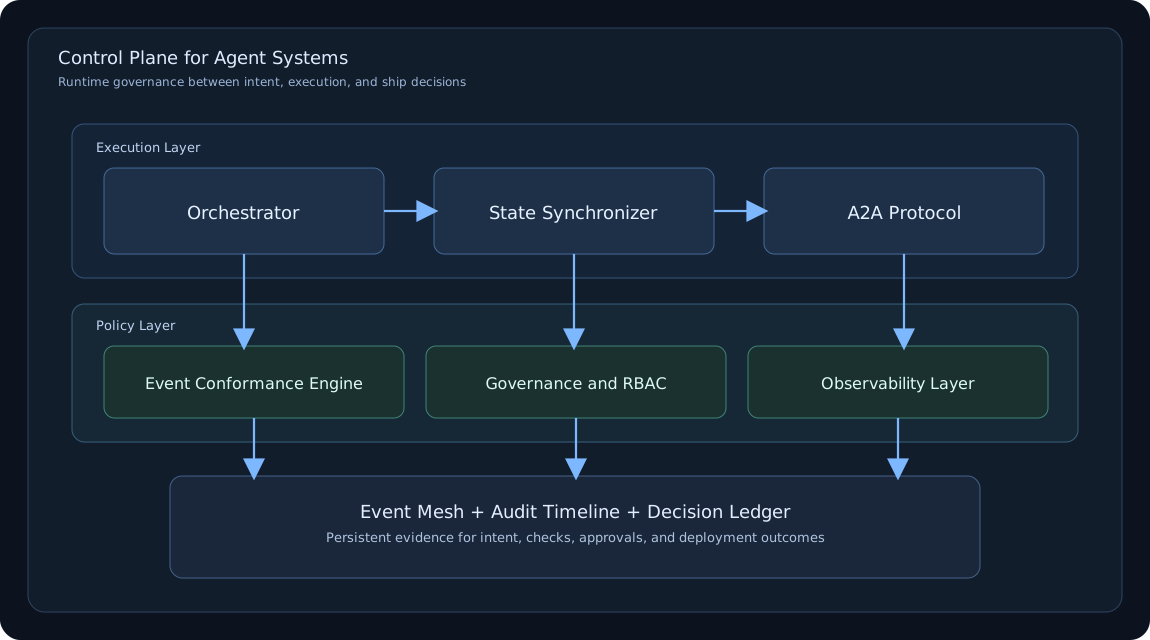
Reference visual aligned to Stage, Gate, and Decision semantics.
What Gets Synced
Issue or ticket context is normalized into intent records and ownership boundaries.
External workflow status maps to ASDLC Stage states with policy-gated Gate checks.
Approvals, check results, and A2A decisions are linked to a replayable execution trace.
Setup
Failure Modes
Connector Spec
{
  "event": "intent.synced",
  "source": "jira",
  "external_id": "ENG-241",
  "stage": "spec",
  "policy_state": "pending_checks"
}
Next Step
Evaluate this pattern in your environment with enforceable gates and replayable evidence.